
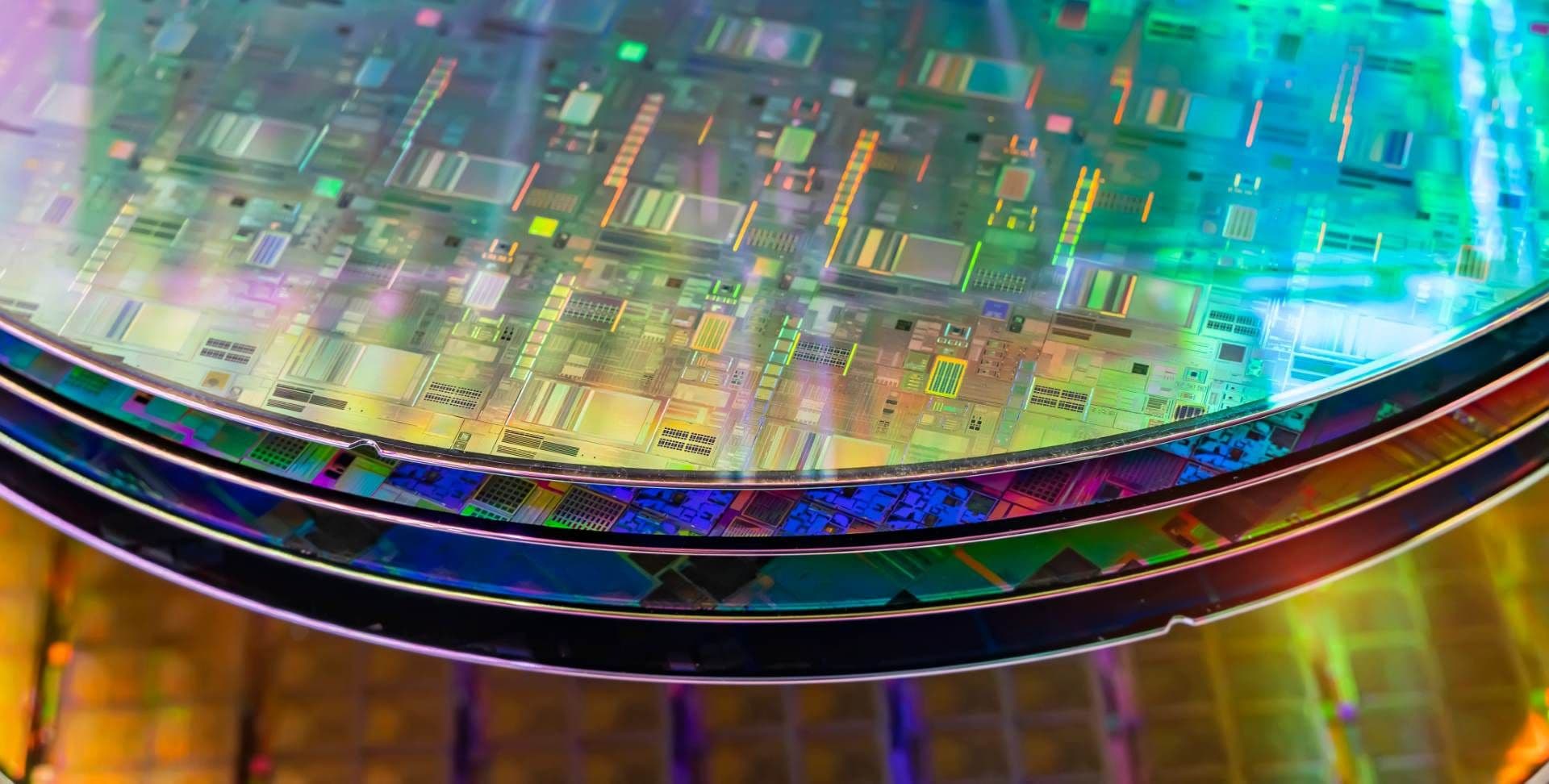
Device characterisation
Confirm device behaviour against known performance parameters
When a semiconductor device is being considered for use, replacement or further testing, it may not be enough to rely on the datasheet alone, especially where original documentation is limited, the part is obsolete, or a substitute device is being assessed. Device characterisation helps confirm how a component behaves under various stimuli, giving clearer evidence of its performance, consistency and suitability for the intended application.
Force Technologies can carry out serialised electronic testing to assess device performance against OEM data, known-good reference samples or defined customer parameters. Each component is then marked and is directly traceable to electrical data at individual component level, helping build a fuller picture of each device’s operational profile. This is of interest to support assessments of alternative components to aid in obsolescence management, quality control, counterfeit investigation or wider component assurance activity.
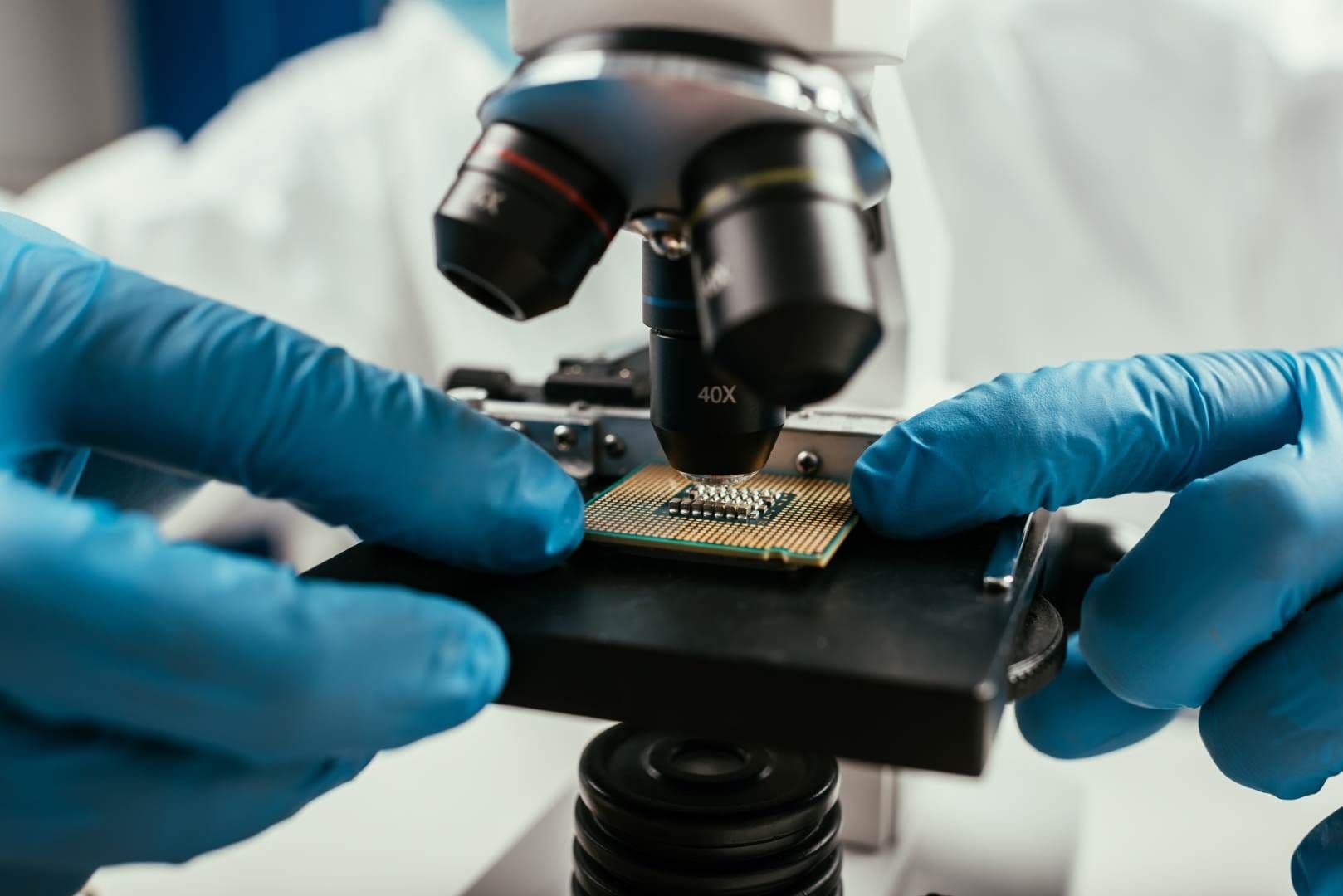
Example characterisation data
Explore whether device characterisation could solve your problem
Frequently asked questions
What is device characterisation?
Device characterisation is electronic testing used to understand how a semiconductor device performs under defined conditions. It can help confirm electrical behaviour against OEM data, known-good reference samples, datasheet parameters or customer-specific requirements.
When is device characterisation useful?
Device characterisation can be useful when an original component is obsolete, documentation is limited, a replacement device is being assessed, or there is a need to compare device behaviour before further testing or use.
What parameters can be tested during device characterisation?
Testing depends on the device and the question being answered. It may include electrical performance checks across defined temperature, voltage or frequency conditions, helping build a clearer picture of how the device behaves in practice rather than relying only on headline datasheet values.
Why is serialised testing important?
Serialised testing records results against individual devices, rather than treating the batch as a single anonymous group. This helps support traceability, comparison between devices and clearer reporting, especially where performance variation or application-specific behaviour needs to be understood.
Need evidence of how a device performs?
Talk to our team about characterising a component against the parameters your application depends on.