
How Force Technologies overcame the obsolescence of a critical memory device, using die extraction, reassembly and rigorous qualification testing to maintain production for a high-reliability flight application.
Technical summary
| Specification | Details |
|---|---|
| Original component | STK11C68-L45M/883 |
| Device type | 64 Kbit (8K x 8) SoftStore nvSRAM |
| Application | High-reliability flight application |
| Obsolescence challenge | Original OEM bare die and wafers no longer available |
| Force solution | Die extraction and reassembly into the established package configuration |
| Production screening | MIL-STD-883 Method 5004 |
| Qualification | MIL-STD-883 Method 5005 Group A-D testing |
| Processing yield | Greater than 95% |
| Long-term continuity | Base material secured in controlled long-term storage |
The challenge: When the original semiconductor die is no longer available
For manufacturers supporting long-lifecycle equipment, semiconductor obsolescence can create significant challenges. A component that has performed reliably for years may become unavailable, despite continued demand for the equipment in which it is used.
This was the situation facing a Force Technologies customer whose application relied on the STK11C68-L45M/883, a 64 Kbit (8K x 8) SoftStore non-volatile SRAM. Although the original component had become obsolete, Force had continued to support the customer's requirements for several years by manufacturing replacement devices using original die supplied by the manufacturer.
During this time, a last-time buy of the remaining die had been considered, but with limited demand at that stage, there was insufficient justification for securing additional material. When the customer subsequently received new orders, the situation had changed, and further devices were required to support continued production. Unfortunately, by this point, the original manufacturer no longer had bare die or wafers available.
With the established manufacturing route no longer viable, Force needed to identify an alternative that would maintain the original device's form, fit and function while meeting the stringent reliability requirements of the customer's flight application.
The solution: Die extraction and reassembly
With the original die no longer available, Force Technologies recommended an alternative approach: recovering the original semiconductor die from existing packaged STK11C68 devices.
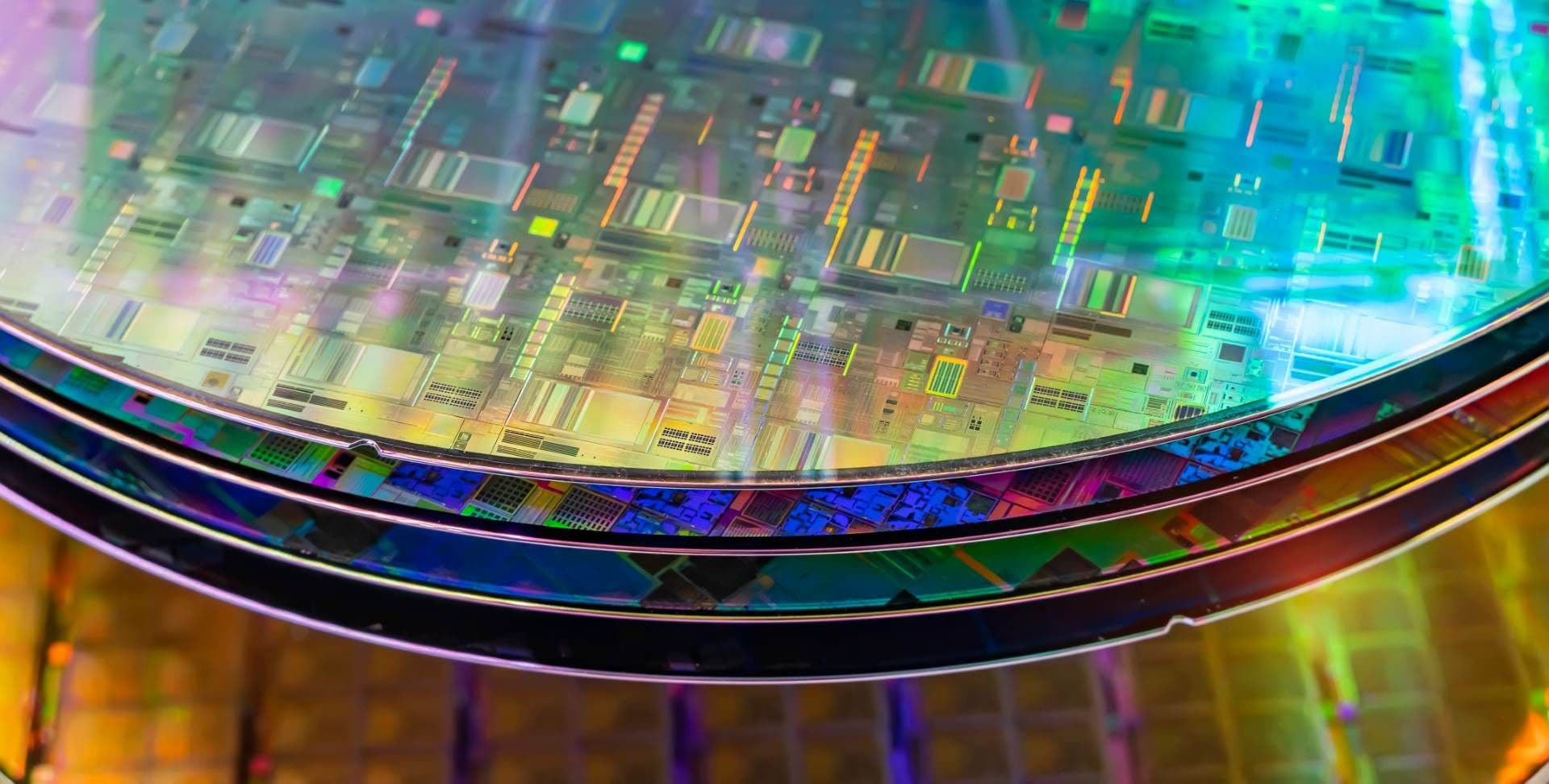
Die extraction enables the silicon die within an existing semiconductor component to be recovered and reassembled into a new package. By retaining the original silicon technology, this approach avoids introducing a different semiconductor design and helps preserve the electrical functionality of the existing device. You can read more about die extraction in our white paper.
For this application, Force extracted the original die from existing 28-SOIC package components and assembled them into LCC (Leadless Chip Carrier) packages, matching the configuration previously supplied to the customer. An initial batch of prototype devices was manufactured and supplied for evaluation, allowing the customer to assess the proposed solution before committing to further production.
With the prototypes approved, the next step was to demonstrate that the change in manufacturing approach could meet the reliability requirements of the customer's flight application. This meant carrying out a comprehensive MIL-STD-883 screening and qualification programme.
Proving reliability: MIL-STD-883 screening and group testing
For high-reliability applications, a change in the materials or processes used to manufacture a semiconductor device can trigger additional qualification requirements. In this case, moving from OEM-supplied bare die to extracted die represented a material change, requiring renewed qualification testing in accordance with MIL-STD-883.
Testing for this project involved two distinct elements: Method 5004 screening of every production device, and Method 5005 group testing to demonstrate that the new manufacturing approach met the required standards.
Method 5004: Screening production devices
MIL-STD-883 Method 5004 covers the screening procedures applied to production devices. Every device undergoes the applicable screening programme, which is designed to identify potential defects, remove early life failures and ensure that individual components meet the specified requirements before delivery.
Method 5005: Qualification through group testing
MIL-STD-883 Method 5005 covers qualification and quality conformance testing, using representative samples to assess the reliability of the devices and their manufacturing processes. Unlike Method 5004 screening, which is applied to every production device, Method 5005 includes destructive testing on selected samples.
Although customers may sometimes accept a concession to waive Method 5005 group testing, the requirements of this flight application meant that the customer needed the full qualification programme following the change to extracted die.
The qualification process involved a range of electrical, mechanical, environmental and life tests. Some examples of the testing carried out on the STK11C68 replacement devices are shown below.
| Test | Test method | Purpose |
|---|---|---|
| Steady-state life test | TM 1005 | Evaluates device performance following prolonged operation under specified conditions, including a 1,000-hour life test. |
| Thermal shock | TM 1011 | Evaluates the ability of the device and package to withstand rapid temperature changes. |
| Mechanical shock | TM 2002 | Evaluates the effects of sudden mechanical forces on device integrity. |
| Variable-frequency vibration | TM 2007 | Assesses the device's ability to withstand mechanical vibration. |
| Salt atmosphere | TM 1009 | Evaluates resistance to corrosive environmental conditions. |
The results: Successful production and qualification
The replacement STK11C68 devices performed extremely well throughout manufacturing and testing, with Force achieving a manufacturing yield exceeding 95%. This meant that more than 95% of the original components used as base material were successfully manufactured into replacement devices.
The devices also performed successfully throughout both Method 5004 screening and Method 5005 group testing, with no failures outside the limits permitted by the applicable specification.
Following prototype approval, Force progressed to production, manufacturing sufficient devices to meet the customer's immediate requirements while also accommodating the additional quantities needed for destructive qualification testing.
A comprehensive data pack containing the screening and qualification test results was supplied to the customer, providing documented evidence to support the use of the devices in their application.
The outcome was a validated alternative manufacturing route that enabled the customer to continue supporting its established application without introducing a different semiconductor design.
Looking ahead: Securing future production
As well as meeting the customer's immediate requirements, Force needed to ensure that the replacement FT11C68 devices could continue to be manufactured in the future.
To support this long-term continuity, Force obtained additional base material (i.e. donor components) and placed it into Titan Long-Term Storage, its dedicated facility for the controlled storage of semiconductor components and die.
With these components available for future die extraction and assembly, further production runs of the FT11C68 can be undertaken as customer demand arises, without relying on the availability of original bare die from the component manufacturer.
Storing donor components in their original, unprocessed form can also be a more cost-effective approach than manufacturing and storing finished replacement devices. By carrying out die extraction and assembly only when additional devices are required, the associated manufacturing costs can be deferred until they are needed.
By combining die extraction, semiconductor assembly and long-term storage, Force provided a solution that addressed both the immediate obsolescence challenge and the customer's ongoing production requirements.
Facing an SRAM obsolescence issue?
Whether you're looking for a replacement for an obsolete memory device or struggling to maintain production because the original manufacturer can no longer supply the die, Force Technologies can help you explore suitable solutions.